
Why Specifying the Right Rooftop Support System Protects Your Roof, Your Equipment, and Your Bottom Line — and How TCG’s MIRO Partnership Makes It Easy
by Heather Rodehaver, Business Development at TCG
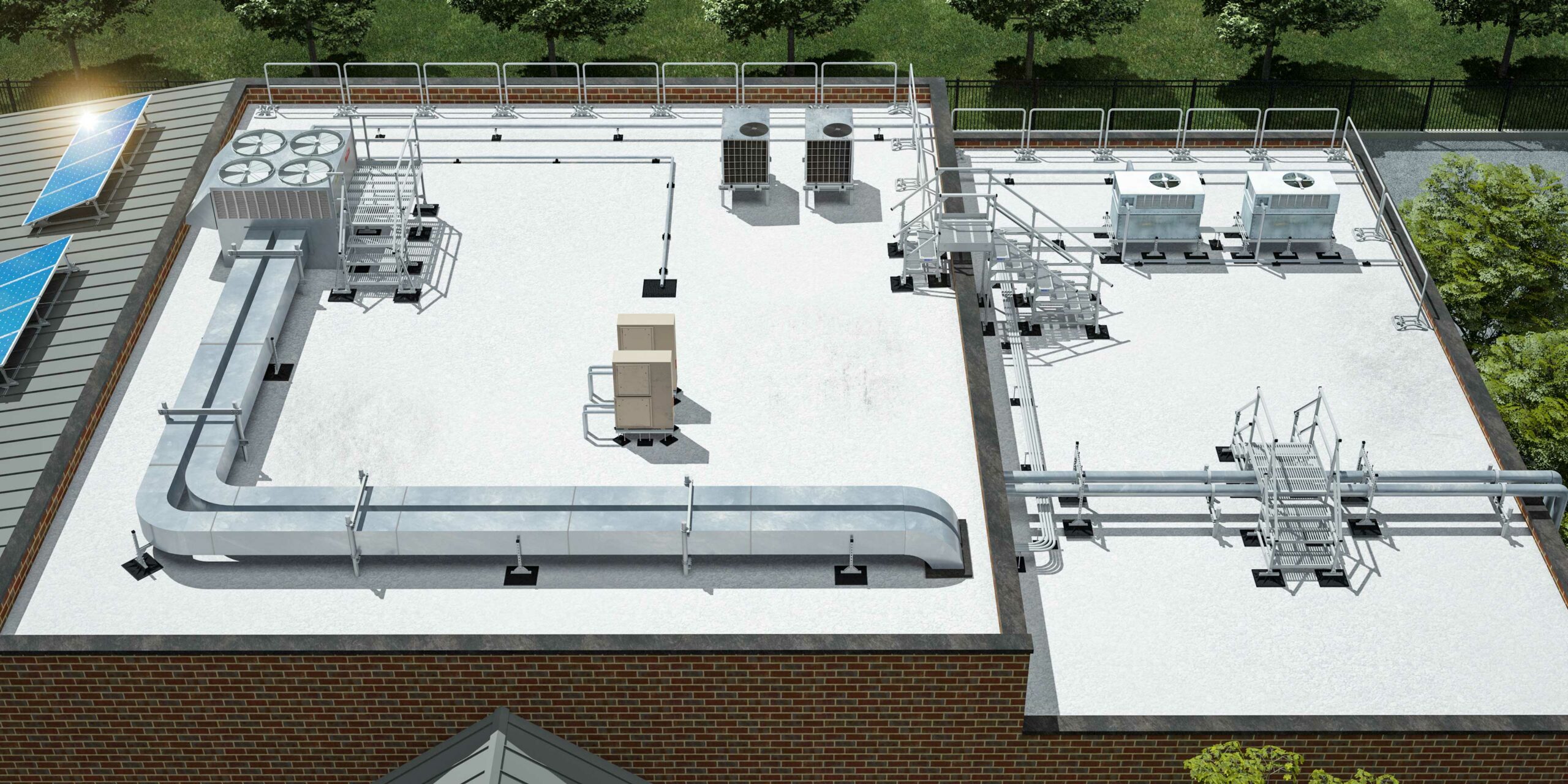
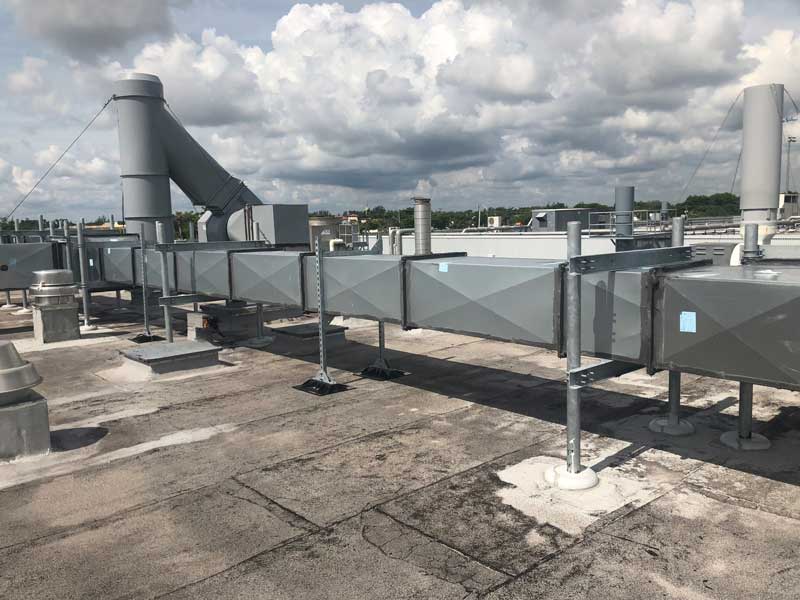
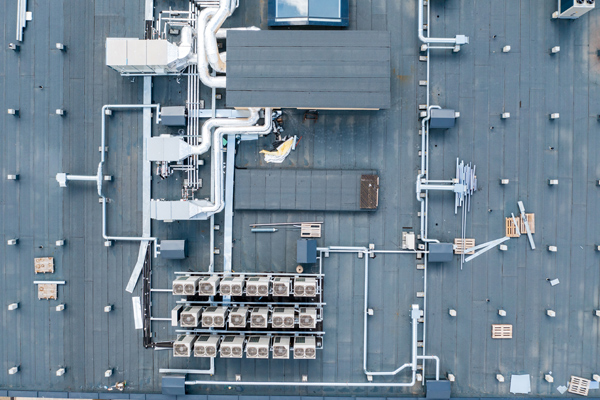
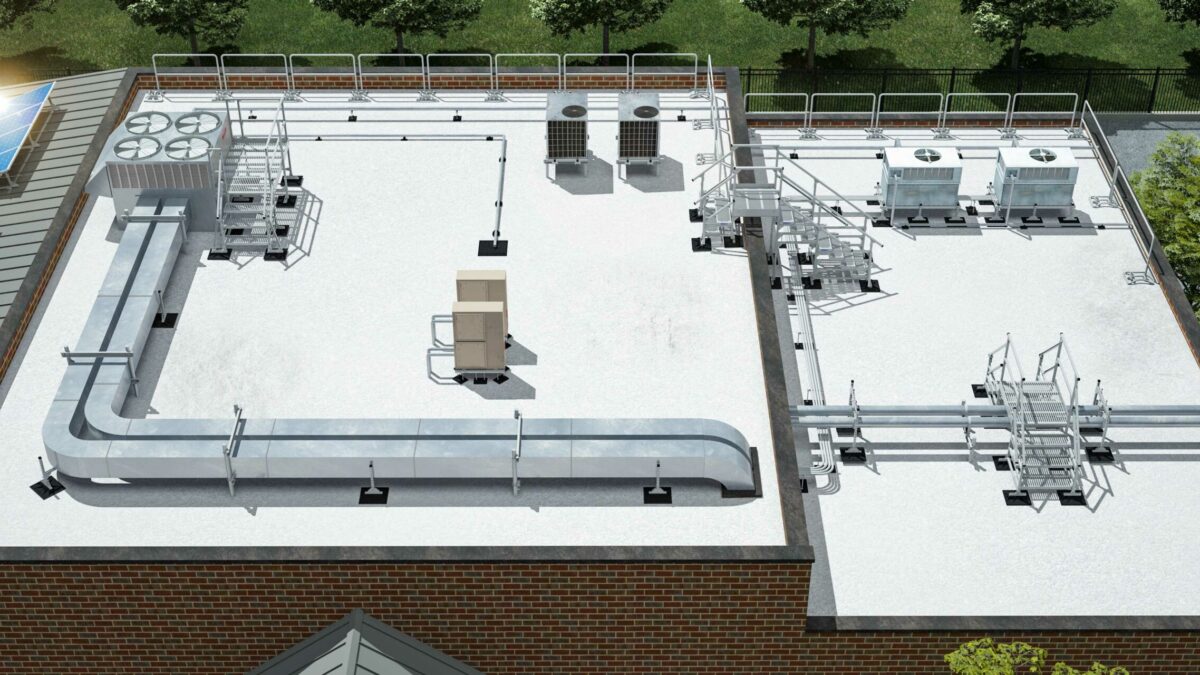
On commercial building projects, all rooftops look the same. At first glance. There are big HVAC units, bundled conduit, runs of gas and condensate piping, and ductwork crossing the roof from the fan housings to the doghouse entryway. Underneath every piece of that equipment is something most people don’t think twice about: the supports holding it off the roof membrane.
When rooftop supports are done right, they disappear into the project. The roof stays intact. The equipment stays anchored, and the entire system along with the roof membrane perform beautifully for decades.
When they’re done wrong, contractors pay the price. Sometimes immediately. Sometimes years later. Almost always after the crew has left the site.
The Problem: Rooftop Supports as an Afterthought
On too many commercial HVAC projects, rooftop supports get treated as an afterthought. The heavy specification work focuses on the rooftop units (RTUs), the ductwork, the piping, and the controls. Often, the supports get handled with whatever is fastest and cheapest. (Sometimes, it’s even field-fabricated wooden blocks).
That approach creates problems in three directions at once.
- First, the roofing contractor is suddenly dealing with penetrations or loads the membrane wasn’t designed to take. Roof warranties can be voided by a single incorrect support detail.
- Second, the mechanical equipment is sitting on something that wasn’t engineered for its weight, vibration, or wind exposure.
- Third, the general contractor inherits risk that doesn’t show up on day one. It shows up as a callback two winters later, when ponding water, wind uplift, or a some unforeseen event turns a small oversight into a major claim.
Rooftop supports are not accessories. They are critical infrastructure. We made that case in an earlier article, The Importance of Rooftop Supports in HVAC, and the case has only gotten stronger as codes, warranties, and owner expectations have tightened.
The Real Risks of Inadequate Rooftop Support
Let’s put some specifics around the risk, because “it might cause problems” doesn’t carry the same weight as naming what actually goes wrong.
- Roof membrane damage. Improper supports can puncture, abrade, or deform the membrane. Many roofing manufacturer warranties explicitly exclude damage caused by non-engineered, penetrating, or incompatible support systems.
- Ponding water and drainage failure. Supports that block drainage pathways cause water to sit on the roof. Over time, that water compromises the membrane, adds load, and accelerates deterioration.
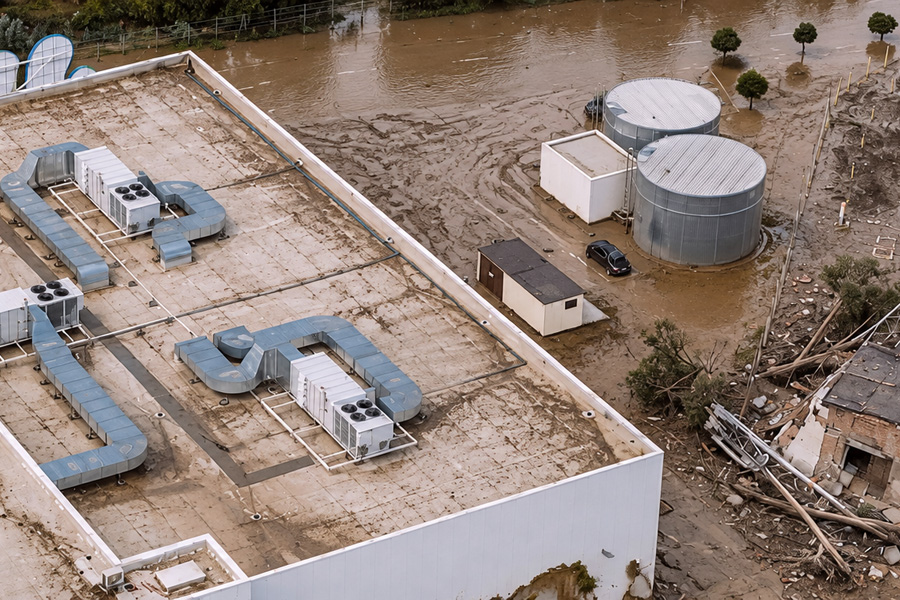
- Wind uplift failure. Rooftop equipment acts like a sail in high-wind events. Without engineered anchoring, units can shift, tip, or detach entirely. That’s a safety hazard, an insurance event, and a code violation all at once.
- Seismic movement. In seismic zones, unsupported or inadequately restrained equipment can walk, twist, or separate from piping connections during an event. Code-compliant seismic bracing is not optional here required.
- OSHA access and maintenance issues. When rooftop equipment doesn’t have proper service platforms, stairs, or crossovers, service technicians are exposed to fall hazards and the building owner is exposed to OSHA citations.
- Callbacks and warranty claims. Every one of the risks above ends the same way for contractors: a phone call long after the job closes, a site visit on your dime, and a repair that eats the margin you thought you earned.
Inadequate rooftop support isn’t a small issue that occasionally becomes a big one. It’s a small issue that can reliably be expected to grow over time.
 Why MIRO: Engineered for Decades of Rooftop Performance
When contractors need a rooftop support system they can specify with confidence, MIRO Industries is the benchmark, and for contractors who already source industrial ductwork through The Cincinnatus Group, MIRO is now part of that same relationship. We are offiically a MIRO Product Distributor.
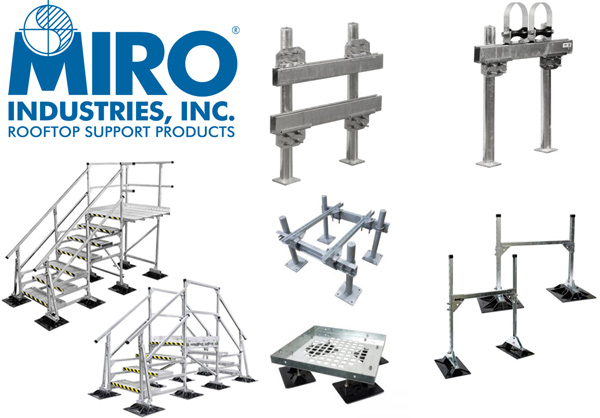
MIRO has been engineering rooftop support systems since 1982. Over four decades, they’ve become the longest-standing and longest-lasting solution provider in the category. Their product line covers nearly every rooftop scenario a mechanical contractor is going to see on a commercial project:
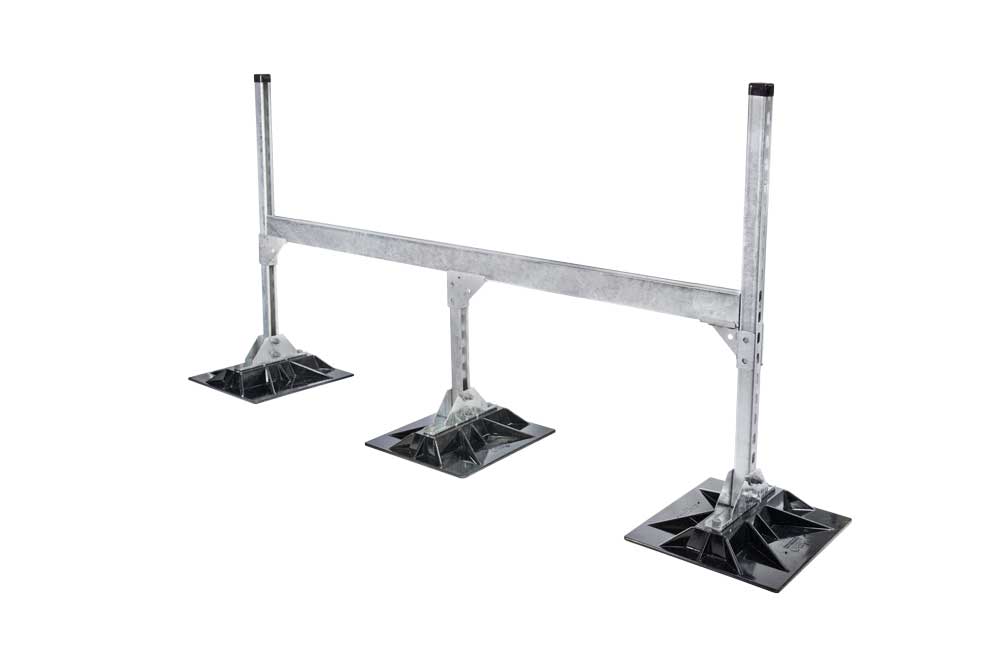
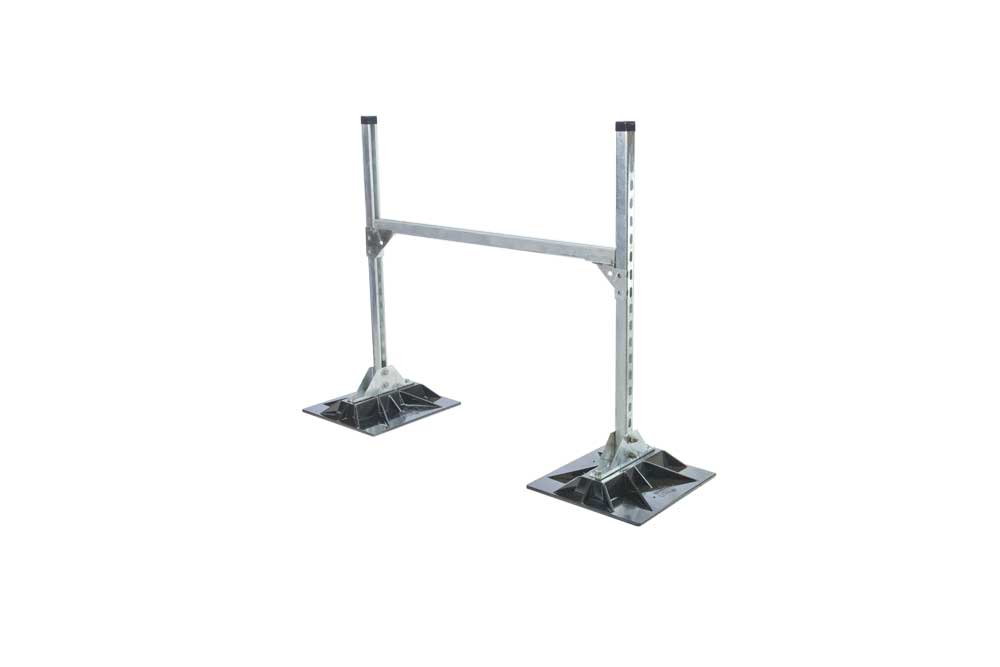
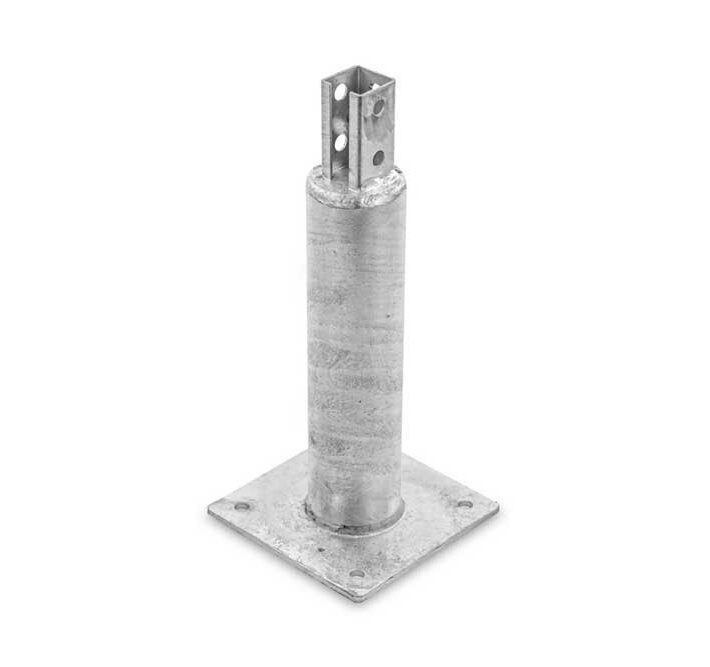
- Pillow block, roller, and strut supports for pipe and conduit
- Custom hanger supports for complex pipe layouts
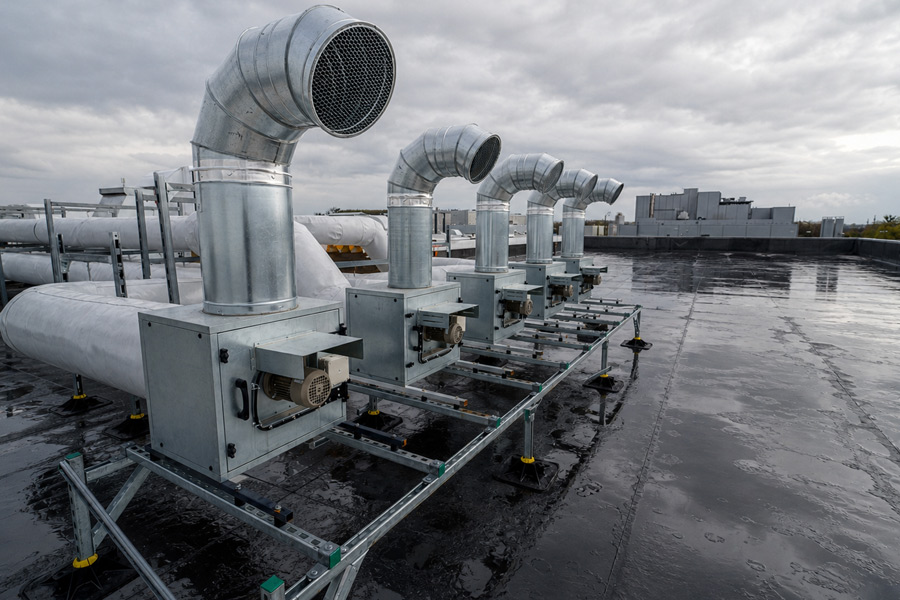
- Light-duty and heavy-duty mechanical unit supports for rooftop equipment
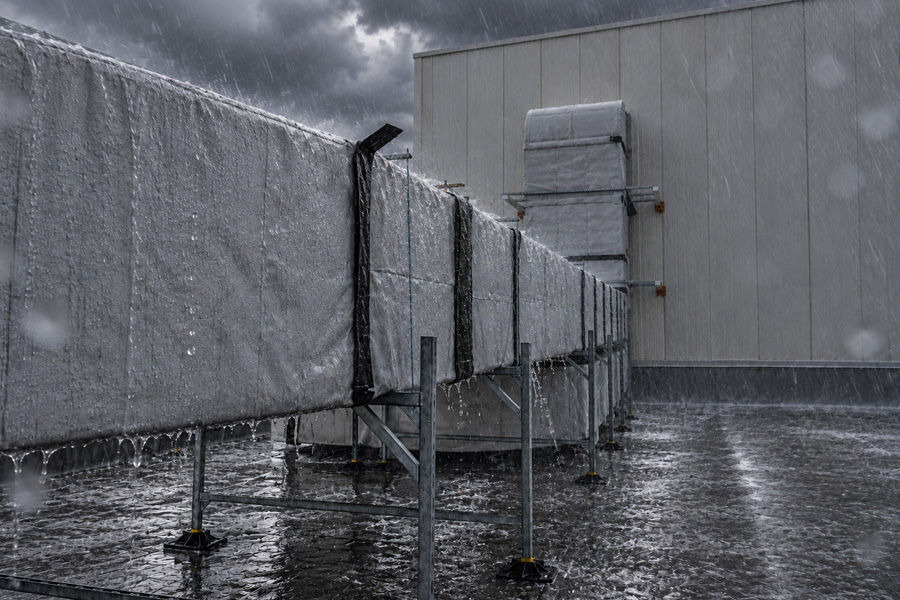
- Non-penetrating duct supports in single-tier, multi-tier, and enclosed configurations
- Stairs, ramps, crossovers, and service access platforms
- Data center rooftop solutions
Every MIRO product is made in the U.S.A. That’s a meaningful advantage in a market still absorbing the effects of 50% steel and aluminum tariffs. Every product is backed by a 20-year warranty. And MIRO’s non-penetrating designs protect the roof membrane rather than putting new holes through it.
That last point matters more than it gets credit for. A support system that doesn’t penetrate the roof doesn’t create a leak path, doesn’t conflict with membrane warranties, and doesn’t require extra coordination with the roofing contractor’s details. It sits on the roof, spreads the load, and does its job.
Wind and Seismic Compliance You Can Stand Behind
One of the most under-appreciated strengths of the MIRO line is their Wind and Seismic capability. Every MIRO product (pipe supports, duct supports, mechanical equipment supports, crossovers, platforms, and ramps) is available in a wind and seismic compliant variant.
MIRO’s in-house engineering team provides job-specific designs, calculation packages, and P.E.-stamped drawings when a project requires them. For contractors bidding work in hurricane-exposed coastal zones or high-seismic regions, that’s the difference between “we’ll figure it out in the field” and “here’s an engineered, code-compliant solution we can hand to the inspector.”
TCG as Your MIRO Source
Now that we’ve convinced you of the importance of great roof top supports, how does it benefit you that TCG is a MIRO Product Distributor? That means you can take advantage of one reliable supplier for both industrial duct and rooftop supports. Supports can be added to the same order, the same conversation, and the same coordination chain as your duct scope.
The practical impact is simple. When rooftop HVAC equipment lands on your project, you don’t have to go find a separate MIRO rep, open a new account, manage a separate PO, or coordinate a separate delivery. You call TCG. The rooftop supports show up alongside your ductwork.
That’s consistent with the way TCG approaches HVAC duct supplies without headaches: fewer vendor relationships to manage, fewer coordination points, fewer ways for the schedule to slip.
Three Needs, One Single Source
With MIRO added to the portfolio, TCG’s single-source positioning is stronger than ever. Contractors working with us now have one relationship covering three categories that used to require three separate supply chains:
- Industrial ductwork—welded, stainless, galvanneal, spiral, rectangular, double-wall, and specialty metal duct, sourced through 21 years of cultivated fabricator relationships.
- Dust, mist, and fume collection—Nordfab Quick-Fit® systems through TCG’s authorized dealership, as covered in our March article on dust collection in industrial ductwork sourcing.
- Rooftop support systems—MIRO’s full product line, including wind and seismic compliant variants.
One call. One coordination point. One accountability chain.
On projects where ductwork crosses rooftops, that consolidation matters even more. The same partner sourcing the duct can source the supports that hold it up, and the two arrive coordinated instead of coming from two vendors who have never spoken.
The Time to Specify, Not Improvise
Rooftop supports are one of the easiest places on a commercial HVAC project to accept unnecessary risk. They’re also one of the easiest places to eliminate it. Specifying engineered, non-penetrating, code-compliant support systems protects the roof, the equipment, and the schedule. Improvising creates callbacks, warranty claims, and problems you’ll be answering for years after close-out.
TCG’s MIRO distributorship gives contractors a direct line to the industry’s leading rooftop support manufacturer, through a sourcing partner they already trust. With 21+ years of industrial ductwork sourcing expertise and a SMACNA Bronze Associate Membership, we bring the same approach to rooftop supports that we bring to every other piece of the ductwork scope: the right product, the right partner, the right project outcome.
At The Cincinnatus Group, we’re “Called to Solve, Where Others Struggle.”
Ready to discuss rooftop support solutions for your next project? Contact The Cincinnatus Group today at 878-295-8009 or visit www.tcgduct.com/contact to start the conversation.
Let’s start planning your next success.
To learn more about any of the services provided by The Cincinnatus Group, including Contracted Estimating and Take Offs, CAD/BIM/Coordination Drawings, and Project Management Assistance, please call us at 878-295-8009, or visit our Contact Us page today.